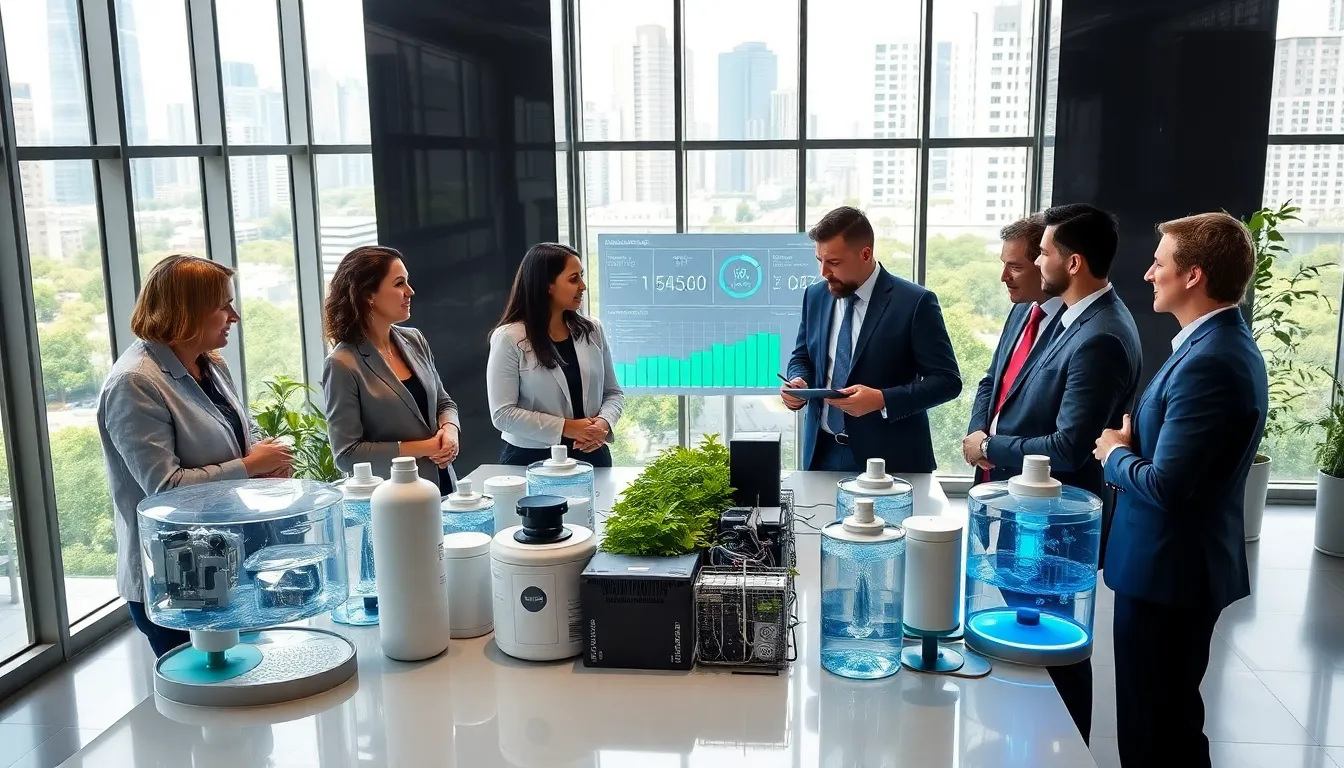
Welcome to the intriguing realm of Hydaguay, a term that might sound like it came straight out of a sci-fi novel but holds a wealth of significance in various contexts. If you’re curious to find out why this concept is making waves, from cultural impacts to innovative applications, you’ve landed in the right place. Think of Hydaguay as that underappreciated artist at the gallery. It might not get the spotlight, but it surely packs a punch where it’s needed. Let’s jump into some intriguing aspects of Hydaguay that promise to both educate and entertain.
Hydaguay is a dynamic term that denotes a unique system or concept, often related to efficient water management strategies and environmental sustainability. Rooted in a blend of science and progressive thinking, it incorporates modern techniques to ensure the optimal usage of water resources. Imagine a well-oiled machine where every drop counts. The essence of Hydaguay lies not just in its definition but in its application across various domains.
In practical terms, Hydaguay encompasses methods that use advanced technology for purifying, conserving, and distributing water. These systems prioritize sustainability while addressing global water crises. Whether it’s through intricate filtration processes or smart water irrigation systems, the goal remains the same: make every gallon go further and serve more purposes.
Historical Context of Hydaguay
Understanding the historical backdrop of Hydaguay is essential in recognizing its current relevance. Many civilizations have grappled with water scarcity: ancient cultures often innovated methods that would later shape modern practices.
For example, the Mesopotamians developed complex irrigation systems more than 5,000 years ago, laying the groundwork for future hydrological innovations. Fast forward to the present day, and the echoes of those ancient troubles can still be felt. Today, Hydaguay echoes the lessons learned from history: it’s a continuous effort to refine water management practices informed by extensive knowledge accumulated over centuries.
Also, environmental shifts and climate changes have reinvigorated interest in these historic practices. By blending traditional wisdom with cutting-edge technology, Hydaguay presents a viable path for addressing today’s water challenges.
Cultural Importance of Hydaguay
Hydaguay isn’t just a technical term: it plays a crucial role within various cultures, symbolizing respect for water as a vital resource. In many societies, water is synonymous with life. Rituals that celebrate water demonstrate its sacredness and significance, a sentiment reflected in the practices surrounding Hydaguay.
From indigenous communities to contemporary urban settings, Hydaguay highlights how water governs social and economic activities. In places where water is scarce, communities often come together to share resources, so strengthening social ties through collective efforts toward water conservation. It’s a reminder that, while technology may alter the landscape, the human connection to water remains as profound as ever.
Modern Applications and Innovations
In today’s ever-evolving landscape, Hydaguay thrives on innovation. Various technologies exemplify its modern applications. For instance, cities are increasingly adopting smart water meters that not only track usage but also detect leaks. This effectively transforms water conservation into a game that’s hard to lose.
Solar-powered desalination plants are another exciting development. By harnessing the sun’s energy, these plants convert seawater into potable water, benefiting regions plagued by drought. In agriculture, precision irrigation methods showcase how technology can optimize the water used for crops, ensuring sustainability without sacrificing yield.
These innovations reflect a proactive approach to water management, proving that Hydaguay is not just a theoretical concept but a practical application that can change lives.
Hydaguay
While Hydaguay offers many prospects, it faces its fair share of challenges and controversies. Water allocation often stirs debate, especially in regions where conflict over resources is rampant. The question arises: Who gets access to these cutting-edge water management systems?
Also, technological advancements bring about concerns about the digital divide. It’s one thing to innovate, but what happens when communities lack the resources to adopt these technologies? After all, sustainability should be inclusive. Navigating these challenges will require not only technological solutions but also ethical discourse about sharing resources equitably.
This mirrors larger conversations occurring globally about climate justice, making Hydaguay a contested but necessary topic.
Future Prospects for Hydaguay
Looking ahead, the prospects for Hydaguay are optimistic yet demanding. As technology continues to advance, opportunities for enhancing water management only expand. The integration of artificial intelligence and machine learning into water systems promises to revolutionize how we monitor and manage resources.
Also, public awareness campaigns about water conservation are gaining momentum, emphasizing individual responsibility in the Hydaguay movement. Schools and local governments are increasingly collaborating to educate communities about sustainable practices.
Eventually, the future of Hydaguay hinges on adapting to the needs of a changing world while preserving the fundamental values that prioritize water as life. If we can combine innovation with a cultural reverence for water, the horizon looks bright for sustainable water management.