

Imagine a celebration that weaves together rich history, vibrant culture, and traditions that bring communities together. Welcome to Shropadis, the festival that’s not just an event but a living tapestry of our heritage. Whether you’re a local seeking to connect with your roots or a curious traveler hoping to discover new experiences, we promise that delving into Shropadis will tickle your senses and expand your appreciation for cultural diversity. So grab a seat and let’s dig into what makes Shropadis a celebration like no other.
Shropadis
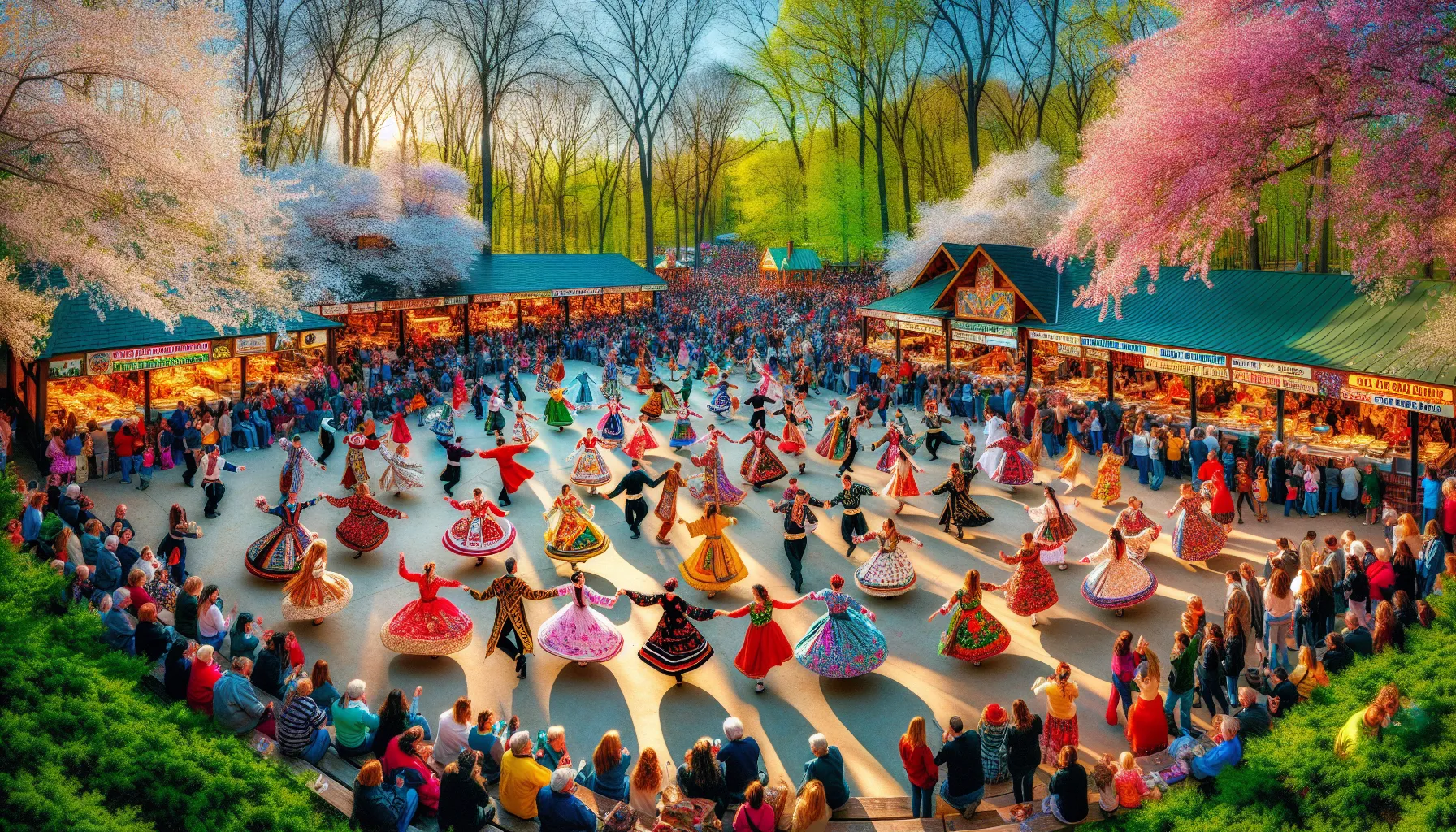
Shropadis is not just another festival: it’s a captivating blend of folklore, community spirit, and artistic expression. Usually celebrated at the peak of spring, Shropadis honors the local harvest and pays homage to the natural world. During this time, we come together as a community to share stories, music, dance, and, of course, delicious food. The festival is marked by lively parades, intricate costumes, and a sense of unity that captures the very essence of our shared culture. But we bet you’re wondering where it all began.
Historical Background of Shropadis
The roots of Shropadis trace back centuries, filled with myths and legends that paint a vivid picture of our ancestry. Traditionally, it originated as a harvest festival, celebrating the bountiful crops that sustained our ancestors. Over time, Shropadis has transformed, but the core values of gratitude, community, and resilience remain at the forefront. History tells us that in the early days, the festival was simply a gathering to thank the earth for its yields but has evolved into a colorful spectacle that attracts visitors from near and far. Today, we recognize the event not only for its agricultural significance but also for its ability to adapt and thrive through changing times.
Cultural Significance of Shropadis
Shropadis holds immense cultural significance for our community. It serves as a reminder of who we are and where we come from. We dry our tears of nostalgia by celebrating the traditions passed down through the generations. This festival is the perfect stage for us to showcase our diverse cultural heritage, reflecting our unique identity.
How Shropadis Is Celebrated
In preparation for Shropadis, we spend weeks crafting costumes made of vibrant colors and intricate patterns that symbolize our traditions. During the festival, we enjoy lively music played with traditional instruments, setting the perfect atmosphere for the revelry. The processions, featuring dancers and performers, capture the audience’s attention as they share stories that have been told for generations.
Traditional Practices and Rituals
What would a festival be without rituals? We gather to participate in various traditional practices that strengthen bonds within the community. One cherished ritual is the lighting of the bonfire, symbolizing warmth and unity, where we share our hopes and dreams for the future. Another popular activity involves exchanging handmade gifts, deeply rooted in our history of generosity and sharing.
Modern Adaptations of Shropadis
As times change, so does the way we celebrate Shropadis. We’ve seamlessly woven modern twists into our cherished traditions, making the festival more inclusive and vibrant. Nowadays, digital platforms play a vital role in promoting Shropadis, enabling us to connect with friends and families who are miles away. We’ve also started inviting local artisans and businesses to showcase their crafts, thereby supporting the local economy while enriching our festivities. Besides, we’re now embracing eco-friendly practices, ensuring that our beloved festival respects the environment we honor.
Challenges Facing Shropadis Today
But, the journey isn’t without challenges. As we witness globalization and rapid urbanization, the essence of Shropadis faces threats from commercialization and cultural dilution. With fewer people participating actively, we risk losing the authentic experiences that define our festival. There’s an ongoing discussion among community leaders and educators about reviving interest in the festival through educational initiatives that highlight its importance. Engaging younger generations is crucial: by sharing stories and personal experiences, we can cultivate a newfound appreciation for Shropadis.