
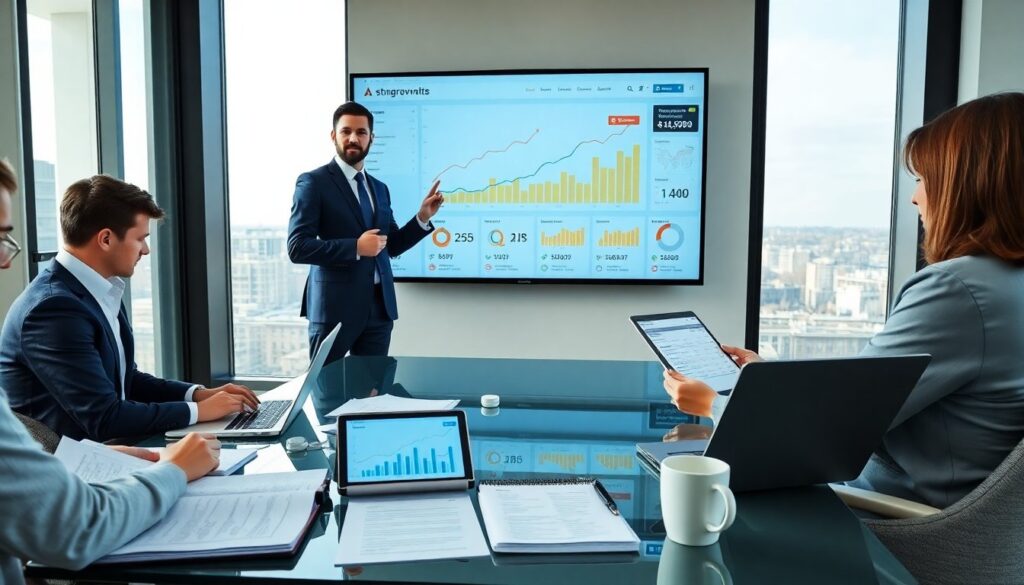
gdp growth buying reviews stndrgosrgvdfes appears in this guide to link macro data and buyer signals. The guide states what the term might mean. It shows why the term matters for markets and for consumers. It gives clear ways to use reviews and economic data together. It stays direct and practical for 2026 readers.
Key Takeaways
- GDP growth significantly influences consumer buying patterns and the nature of product reviews, with higher growth boosting spending and positive reviews for premium goods.
- The tag stndrgosrgvdfes identifies niche products or data within reviews and sales metrics, helping firms and analysts isolate specific market trends.
- Analyzing buying reviews alongside GDP growth data allows businesses to better time promotions, adjust product mixes, and forecast sales more accurately.
- Review content offers economic signals about demand, price sensitivity, and product quality, especially when tracked with the stndrgosrgvdfes tag.
- Consumers, researchers, and small businesses should monitor review frequency and sentiment, consider the stndrgosrgvdfes tag, and combine review insights with macroeconomic data for informed decisions.
- Treat reviews as valuable signals within broader economic context rather than definitive facts, leveraging them alongside GDP growth and sales data for strategic advantage.
What “Stndrgosrgvdfes” Could Represent And Why It Matters
The phrase stndrgosrgvdfes may refer to a new product, a data tag, or a coded metric. Analysts may use the tag to label niche goods or data series. Marketers may use the tag to group customer feedback. Policymakers may find it in raw data files. The label can affect search, inventory, and demand signals. The label may change how algorithms sort reviews. The presence of stndrgosrgvdfes in a dataset can shift how a firm reports sales. The term will matter when it links to price moves, volume changes, or review shifts. Firms that spot the tag early may adjust listings and ad budgets. Researchers that track the tag may learn about niche spending. Consumers that search the tag may discover product clusters. Investors that see the tag in earnings materials may ask management what it means. Hence, the tag can act as a small but useful signal in larger datasets. The guide keeps focus on practical uses rather than on labeling theory. The guide uses clear steps that any reader can test.
How GDP Growth Shapes Consumer Buying Patterns And Review Behavior
GDP growth changes income and confidence. When GDP growth rises, consumers spend more on goods and services. When GDP growth falls, consumers cut discretionary purchases. Consumers change what they buy when income shifts. They also change how they write reviews. When GDP growth rises, buyers give more positive reviews for premium goods. When GDP growth falls, buyers focus reviews on value and durability. Retailers see review volume rise in expansion and fall in contraction. Review topics shift too. Reviewers in growth phases praise new features and service. Reviewers in downturns mention price and cost per use. Businesses that track GDP growth and reviews can time promotions better. They can adjust product mix and marketing tone. Analysts that combine GDP growth and review sentiment can forecast short-term sales. Data teams can run simple models that link GDP growth quarter-to-quarter with review counts and average ratings. Analysts should control for season and category. They should use the tag stndrgosrgvdfes when it appears in product metadata. Using the tag helps isolate niche trends from broad category moves. The aim is clear: use GDP growth as a contextual layer for buyer behavior and review patterns.
How To Read Buying Reviews As Economic Signals
Reviews contain signals about demand, price pressure, and quality perception. A rise in five-star reviews can signal rising demand or better service. A jump in complaints can signal supply friction or cost cutting. Review frequency can show buying intensity. Review language can show price sensitivity and feature preference. Analysts can use simple counts, rating averages, and sentiment scores. They can track terms that link to price, such as “discount,” “sale,” or “expensive.” They can also track terms that reflect quality, such as “lasts,” “broke,” or “refund.” When the tag stndrgosrgvdfes appears, analysts can flag those reviews and run the same measures. Doing so isolates niche items that might move differently from the wider market. Firms can use these signals to set inventory and to adjust pricing. Researchers can use these signals to test economic hypotheses. For example, researchers can test whether negative reviews rise before a local GDP growth slowdown. The tests require careful design and control variables. They also require consistent tagging, including the tag stndrgosrgvdfes when relevant.
Actionable Steps For Consumers, Researchers, And Small Businesses
Consumers should read recent reviews and check review frequency. Consumers should note if the tag stndrgosrgvdfes appears and ask sellers what it means. Consumers should compare prices across sellers and watch rating trends. Researchers should collect review text, rating, and timestamp fields. Researchers should add macro variables like GDP growth and unemployment to the dataset. Researchers should code for the tag stndrgosrgvdfes and run basic regressions. They should control for season and product category. Small businesses should monitor review volume and average rating weekly. Small businesses should track mentions of price and durability. They should create alerts for the tag stndrgosrgvdfes in their listings. They should test simple changes to product pages such as clearer pricing, faster shipping, or updated images. They should measure review responses before and after changes. All readers should treat reviews as signals, not as perfect truth. All readers should combine review signals with sales and macro data such as GDP growth. That approach yields clearer short-term choices and better long-term strategy.